Eco-Friendly Junk Removal: Responsible Disposal Tips for Homeowners
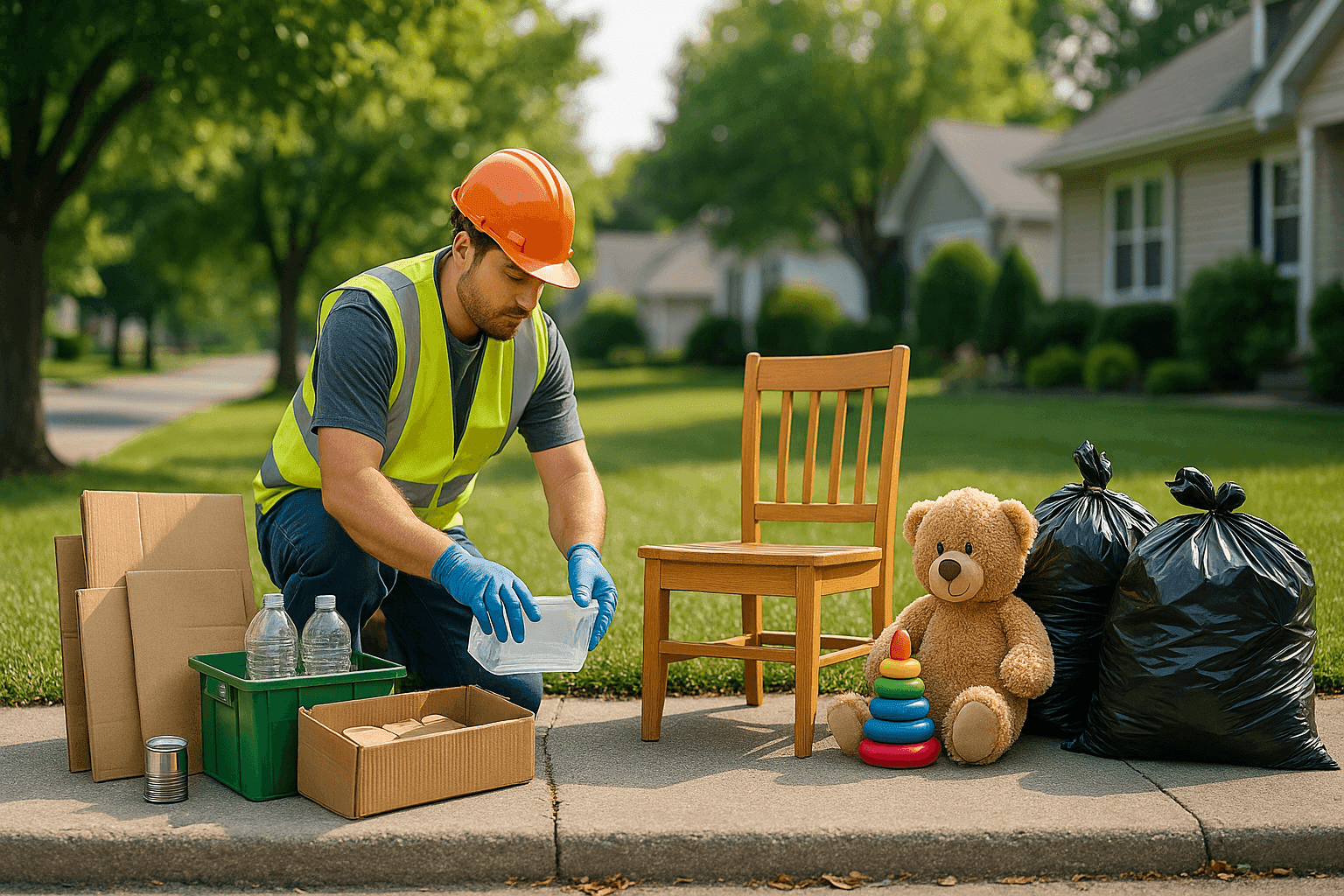
Sometimes, clutter sneaks up on you like socks lost behind the dryer. One day your garage is tidy. The next, it’s overflowing with boxes, broken electronics, and that mattress you meant to recycle.
If you’ve ever wondered how to get rid of junk without harming the planet—or the people around you—you’re not alone. At Toss Junk Removal, we meet homeowners every day who want to clean up responsibly, but just aren’t sure where to start. Let’s break down exactly how to make your next cleanout eco-friendly, safe, and surprisingly simple.
Why Eco-Friendly Junk Removal Matters ♻️
Throwing everything in the trash might seem quick, but it’s a shortcut that hurts more than it helps. Landfills fill up fast. Old TVs leak toxins. Mattresses take decades to break down. Every year, Americans toss out over 250 million tons of trash (EPA).
But there’s a better way: Responsible disposal keeps hazardous materials out of the ground, gives usable items a second life, and cuts down on pollution. It’s about doing right by your neighbors, your family, and the environment. Small choices—like sorting out recyclables or donating furniture—add up. You’re not just clearing space; you’re leaving a lighter footprint.
Sorting for Recycling and Donation
Decluttering shouldn’t mean waste. Many items in your home can be recycled or donated. All it takes is a little sorting:
- Metals: Scrap metal, old appliances, and even those rusty bikes can often be recycled. Most local recycling centers accept them.
- Electronics: Computers, TVs, and printers should never go in the trash. E-waste recycling programs are available in most communities (check with your local waste authority).
- Furniture: Gently used couches, tables, and dressers are perfect for donation. Charities like Habitat for Humanity or local shelters gladly accept usable furniture.
- Clothing and Textiles: Torn or stained clothes can sometimes be recycled into rags or insulation. Clean items can be donated.
- Books and Toys: Schools, libraries, and community centers often welcome these items.
Pro tip: As you sort, create three piles: “Keep,” “Recycle/Donate,” and “Trash.” Keep the “Trash” pile as small as possible.
Proper Disposal of Electronics and Appliances
Electronics and appliances are like double-edged swords—they make life easier, but can hurt the environment if tossed carelessly. Here’s how to handle them:
- E-Waste: Devices like phones, laptops, and TVs contain lead, mercury, and other toxic materials. According to the EPA, over 70% of overall toxic waste in landfills comes from e-waste. Never put these in your curbside bin. Instead, use certified e-waste drop-off points or call a service offering Electronics Removal or E-Waste Disposal.
- Appliances: Refrigerators, air conditioners, and freezers may contain refrigerants or other hazardous substances. Federal guidelines (see EPA’s Responsible Appliance Disposal program) require special handling. Many municipalities offer pick-up days or drop-off centers for large appliances.
- Hot Tubs: Removing a hot tub is a big job. But almost every part—plastic, metal, wood—can be recycled. Ask about Hot Tub Removal near you that prioritizes eco-friendly disposal.
Remember: Always wipe personal data from electronics before disposal.
Safe Handling of Hazardous Waste ☣️
Hazardous items are like snakes in the grass—easy to overlook, but risky to handle. Paints, batteries, pesticides, old cleaners, and fluorescent bulbs all fall under this category.
Safety Checklist:
- Wear gloves and eye protection when handling chemicals.
- Store hazardous items in their original containers with labels.
- Never mix chemicals—some combinations can cause dangerous reactions.
- Research your city’s household hazardous waste collection days.
- For large quantities, look for teams specializing in Hazardous Waste Disposal.
The U.S. Department of Transportation and Environmental Protection Agency both stress: Never pour hazardous waste down drains or toss it in the regular trash. It’s dangerous for people and pets and can pollute groundwater.
Choosing a Green Service Provider 🌱
Not all junk removal companies are the same. If you care about eco-friendly practices, here’s what to ask when hiring help:
- Do you recycle or donate whenever possible? Some services, like Toss Junk Removal, prioritize recycling and donations over landfill runs.
- Are you insured and trained for hazardous waste? Make sure they follow OSHA and DOT guidelines for safe handling.
- What happens to my electronics? Ask if they use e-Stewards or R2-certified recycling partners.
- Do you offer itemized disposal reports? Transparency is a good sign—they should tell you where your stuff goes.
Look for companies that talk openly about their eco-certifications or green disposal methods. If they’re vague, move on.
Minimizing Landfill Use: Everyday Tips
Cutting landfill waste isn’t just a one-time cleanout. Try these habits for a lasting impact:
- Buy only what you need—avoid “just in case” purchases.
- Repair and repurpose before replacing.
- Host a neighborhood swap for books, toys, or furniture.
- Compost yard waste instead of bagging it for trash.
- Schedule regular cleanouts—attic, garage, basement—so clutter never gets out of hand.
FAQ: Eco-Friendly Junk Removal
How do I know what’s hazardous?
Anything labeled flammable, corrosive, toxic, or reactive needs special handling. Batteries, certain bulbs, and most chemicals count.
Is donating better than recycling?
Yes—reuse always comes before recycling! If someone else can use it, donate first. If not, recycle properly.
Can I recycle mattresses or carpets?
Mattress recycling is available in many states. Carpets are trickier but check with your local recycling center or junk removal services.
What if I need same-day junk removal?
Some providers offer same-day service—just ask if they can prioritize recycling and eco-friendly disposal.
Local and Seasonal Considerations
Storms, spring cleaning, and moving season can all generate big piles of junk. During these peak times, local donation centers may be overwhelmed. Plan ahead. Schedule pickups early and ask about special recycling events in your area—many cities hold spring or fall “clean sweep” days for e-waste, hazardous items, and bulky goods.
Remember: In some regions, certain items (like yard waste or appliances) must be separated by law. Always check local codes to avoid fines and keep your community safe.
Ready to clear clutter the eco-friendly way? Call Toss Junk Removal now — or reach us anytime at 888-853-4039 .