How to Safely Handle Hazardous Household Waste During a Cleanout
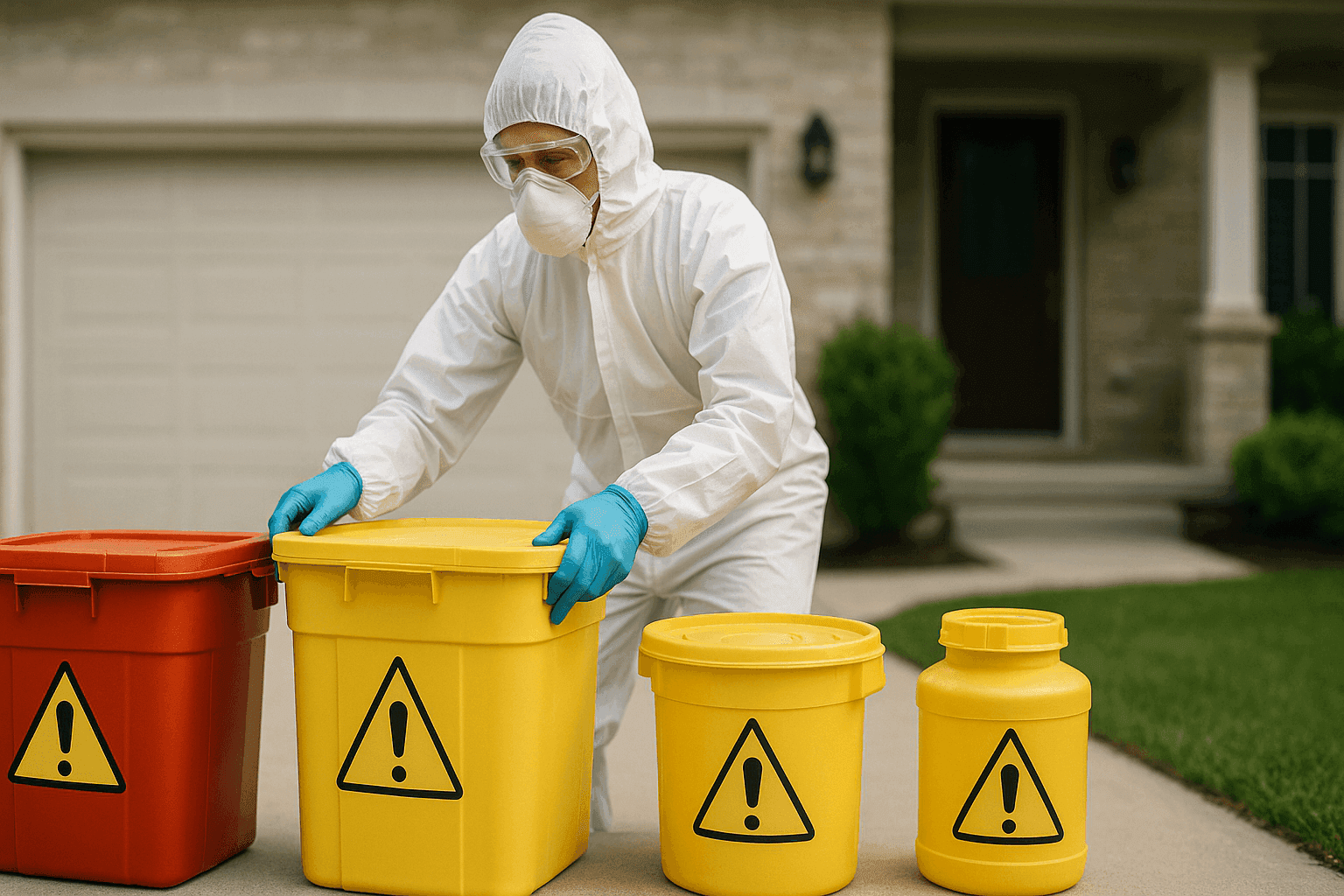
Is your garage, basement, or attic packed with mystery bottles, old paint cans, or boxes of forgotten electronics? Cleaning out your home can feel like uncovering buried treasure—except sometimes, it’s more like finding a ticking time bomb. Hazardous household waste can hide in plain sight, posing serious risks if handled the wrong way.
At Toss Junk Removal, we know the stakes. Safety isn’t just a box to check—it’s the foundation of every responsible junk_removal job. If you’re gearing up for a cleanout, here’s what you need to know to keep your family, your home, and the planet safe.
Common Types of Hazardous Household Waste 🧪
What exactly counts as hazardous waste at home? Think of anything that could catch fire, explode, corrode, or poison. Here are the usual suspects:
- Paints and solvents: Old cans of paint, thinners, varnishes, and stains.
- Batteries: Alkaline, lithium-ion, car batteries—each needs special care.
- Electronics: TVs, computers, cell phones—packed with heavy metals.
- Cleaning products: Bleach, ammonia, drain cleaners, oven sprays.
- Pesticides and fertilizers: Leftovers from garden projects.
- Automotive fluids: Oil, antifreeze, brake fluid, transmission fluid.
- Light bulbs: Especially CFLs and fluorescents containing mercury.
- Aerosol cans: Hair spray, bug spray, spray paint.
- Propane tanks: Even empty ones can be dangerous.
If you’re not sure, check the label. Anything marked “danger,” “warning,” “caution,” “flammable,” or “poison” deserves extra attention.
Risks of Mishandling Hazardous Items ⚠️
Tossing hazardous waste in the regular trash or pouring it down the drain is like playing with fire. Here’s why mishandling these materials is a bad idea:
- Health dangers: Fumes, spills, or skin contact can cause burns, poisoning, or breathing problems. Some chemicals can linger in the air or soak into carpets.
- Environmental harm: Toxic items leak into soil and waterways, harming wildlife and contaminating drinking water.
- Legal trouble: Many areas have strict rules about hazardous waste. Breaking them—even by accident—can mean heavy fines.
- Fire and explosions: Aerosol cans and batteries can ignite under the right (or wrong) conditions, especially in hot weather or trash trucks.
According to the U.S. Environmental Protection Agency (EPA), improper disposal of household hazardous waste is a growing threat to both public health and the environment.
How to Safely Prepare Hazardous Waste
You don’t need a lab coat, but you do need a plan. Here’s a step-by-step checklist to keep your cleanout safe:
- Suit up: Wear gloves, eye protection, and old clothes. For strong fumes, consider a mask or respirator.
- Ventilate: Open windows and doors before opening old containers.
- Read labels: Follow any disposal instructions. If labels are missing, treat items as highly hazardous.
- Don’t mix: Never combine chemicals—some can create toxic gas or explode.
- Secure containers: Tighten lids and place leaking items in secondary containers (like plastic tubs).
- Label everything: Use a marker to identify what’s inside.
- Store safely: Keep hazardous items away from children, pets, heat, and direct sunlight until removal.
- Transport carefully: If hauling items to a disposal site, keep them upright and separated in your trunk—never in the passenger area.
For more guidance, check resources like your local solid waste authority or the EPA’s “Household Hazardous Waste” guidelines.
When to Call a Professional
Some jobs are bigger than a backyard project. Here’s when to hand off hazardous waste to junk_removal specialists like Toss Junk Removal:
- Large quantities: One paint can is manageable. A dozen? Time to call in backup.
- Unknown substances: If you’re not sure what a container holds, don’t risk it.
- Spills and leaks: Professional gear and training make cleanup safer.
- Old electronics: TVs, computers, and batteries often require e-waste disposal protocols.
- Moving, estate, or hoarding cleanouts: These usually uncover surprises best handled by pros.
Professional junk_removal teams use commercial-grade PPE, follow DOT and OSHA guidelines, and know exactly where to take every type of waste—so you don’t have to guess.
Legal & Environmental Considerations 🌎
Hazardous waste isn’t just a household headache—it’s a regulated material. Here’s what to keep in mind:
- Local laws: Check with your city or county for special drop-off days, disposal centers, and banned items.
- Fines: Improper disposal can cost hundreds or thousands in penalties.
- Eco-friendly disposal: Responsible teams prioritize recycling and proper treatment over landfill dumping.
- Documentation: Some areas require a manifest for large or commercial quantities.
- EPA and OSHA standards: These set the minimum for safe handling and disposal—always follow them.
If you’re ever unsure, err on the side of caution and call a professional.
Quick Safety Checklist
- Wear gloves, goggles, and old clothes.
- Work in a well-ventilated area.
- Keep kids and pets away.
- Never mix different products.
- Label and secure all containers.
- Contact your local hazardous waste facility or junk_removal team for help.
The Limits of DIY vs. Calling a Pro
DIY can save a buck, but it isn’t always worth the risk. Here’s a quick breakdown:
DIY is okay for:
- Small, clearly labeled items.
- Single trips to a local hazardous waste collection day.
- Well-sealed, non-leaking containers.
Call a professional for:
- Large volumes or mixed hazardous waste.
- Mystery chemicals or unmarked containers.
- Spills, leaks, or contaminated areas.
- Cleanouts involving hoarding, estate, or foreclosure properties.
Remember: Even the pros use careful protocols for safety. If you’re not sure, don’t risk it.
How Pros Handle Hazardous Waste On Arrival
When Toss Junk Removal arrives, here’s how we tackle hazardous waste—step by step:
- Assess: Identify and catalog every item using industry standards.
- Contain: Secure any leaks, spills, or broken items in safe containers.
- Protect: Use PPE—gloves, masks, goggles, and sometimes respirators or suits.
- Isolate: Move hazardous items away from living areas and other belongings.
- Transport: Load into designated vehicles following DOT guidelines.
- Dispose: Take items to licensed facilities for recycling or treatment.
Every move is deliberate. Every rule is followed. The goal? Zero risk to people—or the environment.
Prevention & Maintenance
The best way to handle hazardous waste is to keep it from piling up in the first place. Try these tips:
- Buy only what you need—skip bulk purchases for paints and chemicals unless you’ll use them quickly.
- Store all hazardous materials in labeled, sealed containers.
- Schedule regular cleanouts (garage, basement, attic) so nothing sits forgotten for years.
- Take advantage of local recycling or hazardous waste events.
- Dispose of batteries and electronics at authorized e-waste centers or through junk_removal teams offering E-Waste Disposal.
Costs & Time Factors
Hazardous waste removal isn’t one-size-fits-all. Here’s what affects cost and timing:
- Volume: More waste means more labor, supplies, and fees.
- Type: Electronics, chemicals, and paint are priced differently at disposal centers.
- Condition: Leaking or broken containers add complexity.
- Distance: Some rural areas may have longer haul times or fewer disposal options.
- Urgency: Same-day junk_removal often carries a premium.
On average, hazardous waste removal takes a few hours for small jobs and up to a full day for large, multi-room cleanouts. Always ask about prep steps to keep things efficient.
When It’s an Emergency
Sometimes, waiting isn’t safe. Immediate action is needed if:
- You have a spill with strong fumes or fire risk.
- Children or pets have been exposed.
- You find leaking, bulging, or corroded containers.
- There’s visible contamination on floors, walls, or furniture.
In these cases, leave the area, ventilate if safe, and call emergency services. Once safe, reach out to a professional junk_removal provider for cleanup.
FAQ
What should I do with old batteries or electronics?
Store them in a cool, dry place, away from children and pets. Don’t toss them in the trash. Arrange for e-waste disposal through a local collection event or a junk_removal service that handles electronics.
Can I pour leftover paint or chemicals down the drain?
No. This can damage plumbing, harm water supplies, and is illegal in most areas. Always use proper disposal channels.
How do I know if something is hazardous?
Look for hazard warnings on the label—words like “flammable,” “toxic,” or “corrosive.” When in doubt, treat it as hazardous and consult your local waste authority.
Why can’t I just throw hazardous waste in the dumpster or landfill?
Hazardous materials can leach into the environment, harm wildlife, and even create dangerous conditions at landfills and waste transfer stations. Responsible disposal protects everyone.
Local and Seasonal Considerations 🏡
Your local climate and regulations matter. In hot weather, chemicals and batteries are even riskier—never store them in direct sunlight or hot garages. Winter freezes can crack containers and cause leaks.
Check with your city or county for seasonal hazardous waste collection events. Some items—like yard pesticides or pool chemicals—are more common in certain seasons. Plan ahead and keep your cleanouts on a regular schedule.
Hazardous household waste is more than just extra clutter. Handling it safely can protect your family, your neighbors, and the planet. If you’re feeling overwhelmed, that’s what we’re here for. Let Toss Junk Removal handle the heavy lifting—so you can breathe easy and enjoy your freshly cleaned home.
Call Toss Junk Removal now — or reach us anytime at 888-853-4039 .