Storm Cleanup Checklist: How to Safely Remove Debris After Severe Weather
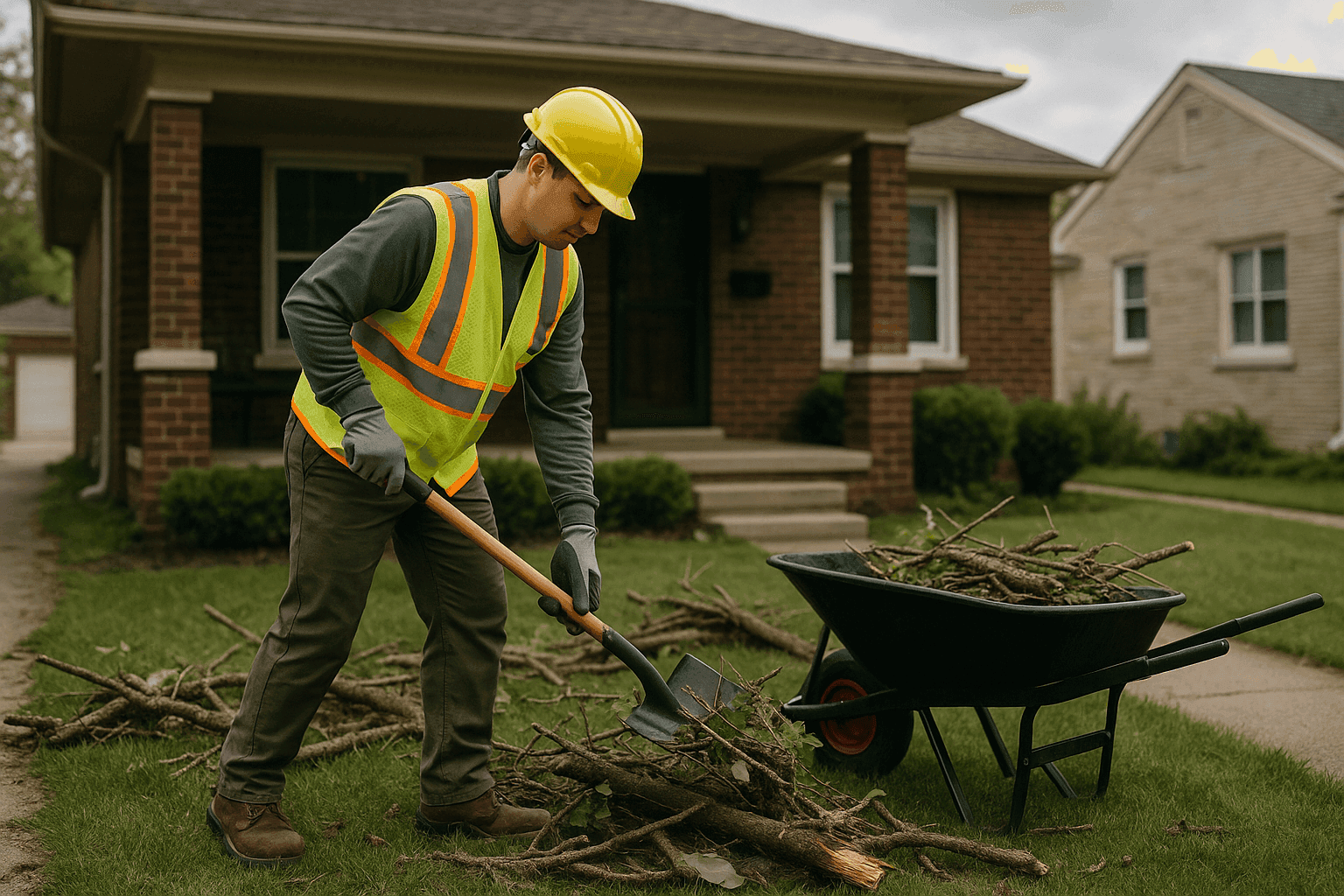
When the winds howl and rain pours down, home can feel like a fortress. But when the storm passes, that sense of safety can vanish in a blink. Torn branches, scattered shingles, and flooded basements—suddenly, you’re left facing a mess that’s more than just clutter.
At Toss Junk Removal, we understand the stress and uncertainty that follows severe weather. Cleanup isn’t just about tidying up. It’s about protecting your family, your property, and your peace of mind. Here’s a clear, actionable checklist to help you recover safely and efficiently—so you can get back to what matters most.
Initial Safety Checks 🦺
Before you set foot outside or start grabbing debris, think safety first. Storm damage hides plenty of risks. Electrical hazards, broken glass, and unstable trees aren’t always obvious at first glance.
Quick Safety Steps:
- Wear PPE: Sturdy gloves, closed-toe boots, long sleeves, and eye protection.
- Check for downed power lines: Stay far away and call your utility company immediately.
- Smell for gas leaks: If you detect gas or hear hissing, leave the area and contact emergency services.
- Look up: Watch for hanging branches or loose roof tiles that could fall.
- Flooded areas: Do not enter standing water; it may hide sharp objects or electrical dangers.
- Wildlife: Snakes and other critters may shelter in debris piles after storms.
Tip: The U.S. Department of Homeland Security recommends keeping a battery-powered flashlight handy. Never use candles around flammable debris or leaks.
Documenting Damage
Before you touch anything, document everything. Take photos and videos—wide shots, close-ups, every angle. Your insurance company will want proof, and detailed records help smooth the claims process.
What to Capture:
- Roof and siding damage
- Broken windows and doors
- Flooded or water-damaged areas
- Fallen trees, branches, and large debris
- Damaged vehicles or outdoor structures (sheds, fences, playsets)
Don’t forget time and date stamps if possible. Keep a written log of major findings, too. This step is just as important as the cleanup itself.
Sorting and Removing Debris
Debris after a storm isn’t just leaves and sticks. You might find mangled furniture, soaked carpets, or even hazardous waste mixed in. Sorting it all quickly—but carefully—makes the cleanup safer and more efficient.
Separate Materials
- Organic debris: Branches, leaves, plants
- Construction debris: Shingles, siding, drywall, insulation
- Household items: Furniture, appliances, electronics
- Hazardous materials: Paints, cleaners, batteries, propane tanks
Safe Removal Tips
- Lift with your legs: Not your back. Heavy items can cause injuries fast.
- Pile debris away from driveways and roads: Emergency vehicles may need access.
- Bag smaller items: Use heavy-duty trash bags to prevent leaks and tears.
- Label hazardous waste: Keep it separate for specialized disposal.
- Use a tarp: Lay one out to collect small branches or roof shingles for easier hauling.
- E-waste: Remove batteries from devices, and place electronics in a dry, safe location for proper E-Waste Disposal.
Reference: FEMA and the CDC emphasize the importance of separating hazardous materials to reduce health risks and ensure proper disposal.
When to Seek Professional Help 🛠️
Sometimes, the mess is too big—or too risky—to tackle alone. Here’s when calling Toss Junk Removal or a similar service is the smart move:
- Large fallen trees or limbs: Especially near power lines or rooftops
- Structural damage: Walls, ceilings, or floors caving in
- Flooded basements or crawlspaces: Mold and electrical hazards abound
- Hazardous waste: Chemicals, asbestos, sharp metals, or unknown substances
- Heavy lifting: Appliances, hot tubs, or waterlogged furniture
- Big volume: If your cleanup pile looks like a small mountain
Why call a pro? Licensed junk_removal teams have the right equipment, vehicles, and training to handle dangerous or complex debris safely. They know local rules for hazardous waste and recycling—plus, they’ll save you time (and a sore back).
Preventing Future Storm Damage 🌳
Storms will return. But a little preparation can limit the mess and stress next time.
Homeowner To-Do List:
- Trim trees and shrubs: Remove weak or overhanging branches regularly.
- Secure outdoor items: Grills, patio furniture, and toys become projectiles in high winds.
- Check drainage: Clear gutters, downspouts, and storm drains before heavy rain.
- Seal windows and doors: Weatherproofing reduces leaks and water damage.
- Inspect your roof: Replace loose or missing shingles after every major storm.
- Proper storage: Keep hazardous chemicals and paints in sealed, elevated containers.
Resource: The National Weather Service and American Red Cross both provide seasonal checklists for storm prep and home safety.
Know Your Limits: DIY vs. Professional Junk_Removal
Rolling up your sleeves can be empowering. But knowing when to call for help is just as smart.
DIY Makes Sense For:
- Small branches, leaves, and lighter debris
- Moving outdoor furniture or minor household items
- Cleaning up non-hazardous, dry materials
Call Toss Junk Removal When:
- Debris is heavy, waterlogged, or dangerous
- There’s visible mold, sewage, or chemical spills
- You’re overwhelmed by the sheer volume—especially after hurricanes, tornadoes, or major floods
- You need Hot Tub Removal near you, or specialized hauling
Our crews bring PPE, dump trailers, and expert know-how. We handle everything from sorting to sweeping up at the end.
FAQs: Storm Debris Removal
Q: How soon should I start cleanup after a storm?
A: As soon as it's safe and you’ve documented the damage. Quick action can prevent mold and further deterioration.
Q: Will my insurance cover junk_removal?
A: Many policies cover debris removal after covered events, but check your policy and keep receipts.
Q: What counts as hazardous debris?
A: Gasoline, paints, pesticides, batteries, and anything labeled toxic or flammable. When in doubt, set it aside for specialized disposal.
Q: Can I rent a dumpster for storm debris?
A: Yes. Dumpster Rental is a great option for large cleanouts—just be sure to separate hazardous materials.
Local & Seasonal Considerations
Storm seasons vary. In hurricane-prone areas, prep starts in spring. Tornado alley? Stay alert all summer. Winter storms bring ice and downed power lines. No matter where you live, having a cleanup plan—and knowing who to call—makes recovery smoother.
Remember, local regulations may dictate how you sort, bag, and dispose of storm debris. Always check your city or county guidelines before piling items at the curb.
No storm lasts forever. But the cleanup takes teamwork, patience, and a little know-how. If you need help with heavy lifting, hazardous waste, or just want peace of mind, Toss Junk Removal is here to make the aftermath less overwhelming.
Call Toss Junk Removal now — or reach us anytime at 888-853-4039 .